Dairy & Gluten Free
Chinese herbal sweet soup for better sleep & better skin
莲子百合桂圆银耳汤
A Chinese herbal soup recipe to help with poor sleep and tired skin. Very easy to make at home. Dairy and gluten-free. A healthy sweet treat that is nourishing and calming at the same time!
Three Chinese herbs in this soup are used for poor sleep, especially those caused by anxiety or stress.
When we don’t get enough good sleep, our skin will feel quite dry and tired. Therefore, I added one extra herbal ingredient that is famous for its skin-beautifying actions. However, its texture is a little bit weird. So, if you’re an adventurous foodie, keep reading to find out!
What is Chinese (Herbal) Sweet Soup?

Before I go into the ingredients, let me briefly introduce this type of dessert that is widely consumed in Asia or among Asian communities. In Chinese, they are commonly known as ‘Tang Shui’ or ‘Tong Sui’ (糖水). It literally means sugar water.
If you have been to Asia or Chinatown in any part of the world, you probably have seen these little shops or tiny stalls that sell small bowls of sweet soup. Asians love them! They are almost like our afternoon tea or a dessert.
Sweet soup is generally made from seeds, flowers, herbs, root vegetables, beans, fruits and etc. Quite a number of these ingredients are also used as Chinese herbal medicine. So, they are super nutritious. Therefore, many Asians drink them as preventative measures for some minor symptoms or generally for well-being.
The Three Chinese Herbs for Sleep in this herbal soup
This is a classic Chinese herbal sweet soup recipe to help you sleep better, and to improve your skin. Well, who doesn’t want a sweet for it?
This herbal recipe is widely known as ‘Lian Zi Bai He Gui Yuan Ying Er Tang’ (莲子百合桂圆银耳汤) in Asia. In English, it literally just means the four main herbal ingredients we used in this recipe. They are Lotus Seeds, Lily Bulbs, Longan Fruits and the Silver Ear Mushroom – or we also call it, Snow Fungus. First three ingredients are for sleep, Snow Fungus is for the skin. Yes! This is the weird ingredient that I talked about previously.
Ingredients in the Recipe

Functions of Three Ingredients
The three Chinese herbs in this recipe – Lotus Seeds, Lily Bulbs and Longan Fruits come from different categories in Chinese herbal medicine. Yet, these three Chinese herbs all can help you sleep better. They are traditionally used for:
- poor sleep with vivid dreams
- mild palpitations caused by anxiety
- restlessness and irritability
- over worry and overthinking
When to and NOT to drink this sweet soup
The above symptoms should only be your RECENT symptoms. Please DON’T use this recipe to treat chronic or clinically diagnosed insomnia, anxiety or depression.
Please see it more like a dietary support. For example, if you are usually quite healthy but aware that you will have some stressful times ahead – like the current pandemic or a deadline. You know you may have troubles sleeping well or experience symptoms mentioned above, then you can cook this once a week to give you a little extra support.
Instead of resorting to your usual very sweet or high-calorie cakes and cookies when you are stressed, now you have one healthier option!
If you are diabetic or prone to 'heat' signs
One very important note is Longan Fruit can be quite sweet. It is great in herbal desserts but not so if you are diabetic! Therefore, please don’t add Longan Fruits if your sugar level is not stable. In addition, if you are prone to ‘heat signs/symptoms’, please use less of the Longan too.
Learn more about ‘Heat Pattern’ (some people called it ‘Heatiness’ 发热气) in Chinese Medicine. Sign up for a two parts email series to learn this basic but important concept – https://chineseherbalpantry.com/heat-vs-cold-chinese-medicine/
Is this recipe 'cooling' or 'warming'?
These three main ingredients have slightly different thermal properties. Lotus Seeds are neutral, Lily Bulbs are slightly cold, and Longan Fruits are warm. As you can see, a higher dose of slightly cold herbs (Lily Bulbs) and a lower dose of slightly warm herbs (Longan Fruits). Overall, this recipe is cooling in nature.
The Ingredient for Skin - What is Snow Fungus?
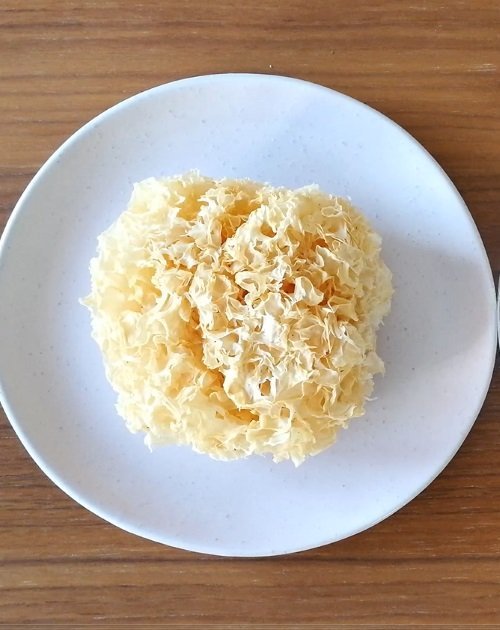
Snow fungus is a form of mushroom that grows on a tree. They are so beautiful in nature!
There’re a few different names of Snow Fungus – White Fungus, Silver Wood Ear Mushroom or White Wood Ear Mushroom. The academic name is Tremella.
It started to get a lot of attention in the West due to its anti-aging properties. You can even buy them in tablet form as supplements these days! It is relatively inexpensive, so we can introduce it to our everyday diet very easily.
Its natural colour is slightly yellow. If you see the very white colour snow fungus, then I would be a bit more cautious. This is because the distributors might have used some bleaching agent to make them more appealing to customers.
Another tip for buying snow fungus is, it’s supposed to have a very earthy, woody smell. If what you buy doesn’t have the earthy mushroom smell, beware!

Let's Start Cooking!
Watch the following video if you are a more visual person like me! I can’t read instructions!
Otherwise, please scroll down for the full recipe and step-by-step guide.
I would love to hear your own special recipe, family recipe or any special tips that you’d like to share. I would love to learn from you
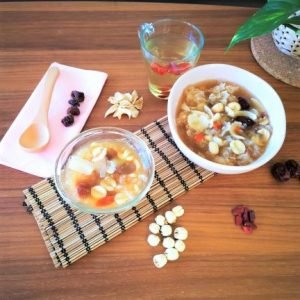
Lotus Seed, Lily Bulb, Longan Fruit & White Fungus Sweet Soup (莲子百合桂圆银耳汤)
Equipment
- Earth material, glass or high quality stainless steel cooking pot (NO cast iron or aluminium pot)
Ingredients
- 40 g Lotus Seeds 莲子
- 50 g Lily Bulbs 百合
- 15 g Longan Fruits 桂圆(龙眼肉)
- A quarter to half White (Snow) Fungus 银耳 (雪耳)
- 20 g Rock Sugar 冰糖 (or to your own liking)
- 9 g Goji Berries 枸杞子
- 3 pieces Red Dates (Jujube) 红枣 (remove the pits and cut into smaller pieces)
Instructions
Preparation of Snow Fungus
- Soak snow fungus with cold water (ideally) for a few hours or unitl it is softened. During this process, change the water a couple of times to wash off the dirt.
- Once snow fungus is softened, remove its root section
- Cut snow fungus into smaller pieces
Preparation of Lotus Seeds and Lily Bulbs
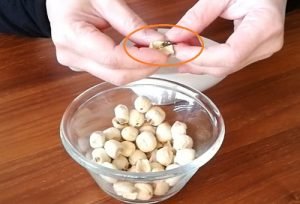
- Crack open the Lotus Seeds to see if there are green seedlings in the middle.

- Remove the green seedlings if any (Note: It is important to remove the green seedlings in lotus seeds as they are bitter. Otherwise, your sweet soup will turn out bitter in taste.)
- Soak lotus seeds and lily bulbs with water, separately, for about one hour or unitl they are softened.
Instructions
- Bring one litre of water to a boil
- Add Lotus Seeds and Snow Fungus. Let them boil for 10 minutes
- Turn the heat down to medium-low, let them cook for another 20 minutes. If you like your Snow Fungus softer, you can cook it for longer.
- During this cooking process, check the soup from time to time to make sure the water is not dry. This is because the Snow Fungus tends to absorb a lot of fluid. Add more water as needed.
- Add Lily Bulbs and Red Dates. Cook for another 15-20 minutes.(Note: The Lily Bulbs are added a bit later as they tend to break down more easily in hot water. If you add it too early, the final dish can get very mushy. If you are like me, who is time-poor and lazy; or you like baby food and prefer it to be mushy, then you can add the Lily Bulbs at the beginning.)
- Add the last three ingredients: the Longan Fruits, Goji Berries and rock sugar. Cook for another 5 to 10 minutes(Note #1These three ingredients are sweet. So with the rock sugar (or any sugar), please adjust the amount to your own liking. Note #2: The colour of the sweet soup will turn slightly brown-ish because of the Longan Fruits.)
- Enjoy!
Notes
- Please use earth material, glass or high-quality stainless steel cookware only. This is because they are more inert, meaning that they won't interact with the herbs. Please avoid iron and aluminium as they will interact with the herbs and change the properties.
Did you make this recipe?
If you made this recipe, snap a picture and tag me @chineseherbalpantry or hashtag it #chinesherbalpantry . I would love to see your creation on Instagram!
About this blog & disclaimer
This blog is about how to improve health and general well-being or to relieve minor symptoms by using Chinese herbs at home effectively and, most importantly, safely. However, please note that the recipes shared in this blog are in no way to replace health care by your health care providers. If any symptom persists, please make sure you go to see your doctors or any other health care providers.